
Cooling Systems That Run But Underperform
RV AC Tune-Ups in Grandview for air conditioning systems that struggle during peak summer heat
An AC unit that runs continuously but barely lowers the interior temperature, or one that cools adequately in mild weather but can't keep up when temperatures exceed 95 degrees, usually needs maintenance rather than replacement. Restricted airflow from clogged filters, dust buildup on coils, or worn components that haven't yet failed completely all reduce cooling capacity gradually until the system can no longer handle the load. We Get Around RV Repair provides tune-up services that restore efficiency through cleaning, inspection, and replacement of wear items before they cause total system failure.
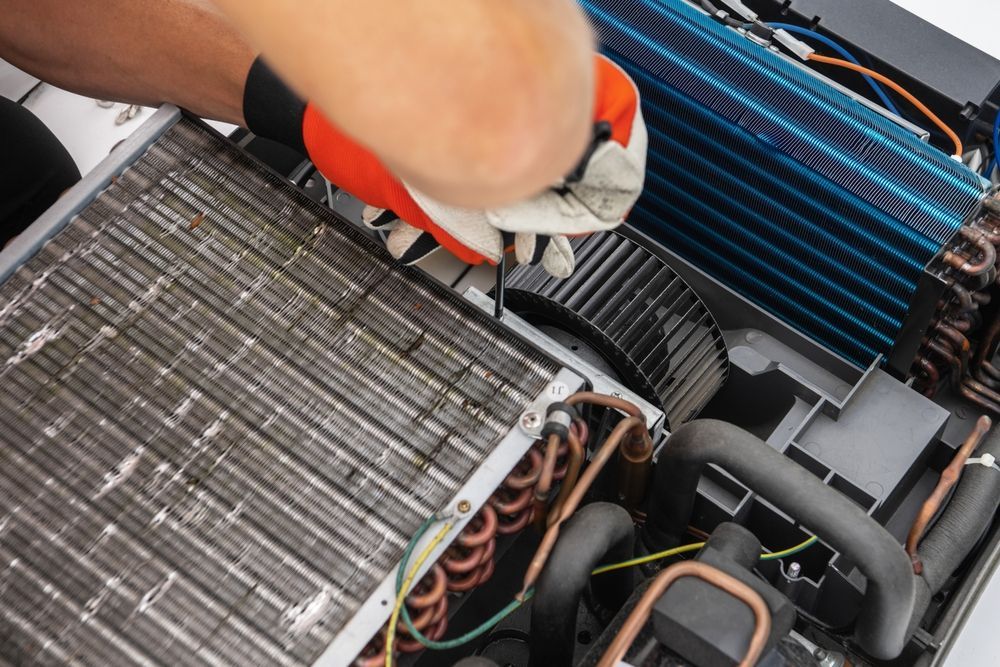
The service includes removing and cleaning both the evaporator and condenser coils, inspecting fan motors for bearing wear, testing capacitor strength, checking refrigerant charge, and verifying that all electrical connections remain tight. Dust accumulation on the condenser coil is especially problematic in areas with high pollen or after travel on dirt roads—a coating just a few millimeters thick reduces heat transfer enough to cut cooling output by 20 percent or more, forcing the compressor to run longer to achieve the same temperature drop.
Schedule a tune-up before peak cooling season to address efficiency losses and identify components approaching failure.
What Preventative Maintenance Accomplishes
Tune-ups focus on the factors that degrade performance slowly over time—dust and debris that block airflow, capacitors that weaken and no longer provide full starting voltage, and refrigerant levels that drop slightly due to minor leaks at connection points. Cleaning the coils restores the temperature differential between incoming air and outgoing air, so the system removes more heat with each cycle instead of moving the same warm air around repeatedly. Fan motor inspection catches bearings that are beginning to seize, which would otherwise lead to a motor failure that stops all airflow and causes the compressor to overheat.
After the tune-up, the AC reaches your target temperature in less time, the compressor cycles off instead of running continuously, and airflow from the vents increases noticeably because nothing is restricting the path through the evaporator coil. You'll also have documentation of component condition—capacitor microfarad readings, refrigerant pressures, and notes on any parts showing wear—so you know what to monitor and can plan for replacements before you're stranded in summer heat with a failed system.
The inspection identifies early warning signs that wouldn't yet cause noticeable symptoms: a capacitor testing at 80 percent of rated capacity will still start the compressor but is likely to fail within the next season, or a fan motor drawing slightly high current indicates bearings that need replacement soon. Addressing these findings prevents breakdowns during trips and extends the overall lifespan of the AC unit by reducing stress on the compressor and electrical components.
What Owners Want to Know About Tune-Ups
Maintenance requirements vary based on how often the RV is used, where it's stored, and how hard the AC works during typical operation.
- What's included in an RV AC tune-up? The service covers coil cleaning, filter replacement, capacitor testing, refrigerant pressure checks, fan motor inspection, electrical connection tightening, and a controlled operational test that measures temperature drop and current draw under load.
- How does coil cleaning improve cooling performance? Dust on the condenser coil blocks heat transfer from the refrigerant to outside air, forcing the compressor to build higher pressure to reject the same amount of heat, which reduces efficiency and increases the risk of compressor damage from overheating.
- Can a tune-up fix an AC that's blowing warm air? If warm air is caused by dirty coils, low refrigerant from a slow leak, or a weak capacitor that prevents the compressor from reaching full output, the tune-up will restore cooling—but if the compressor has failed internally or refrigerant has leaked out completely, repair or replacement is necessary instead.
- How often should RV AC systems be serviced in Grandview conditions? Annual tune-ups are sufficient for recreational use, but full-time or extended-summer RVers benefit from service every six months due to the constant load and accelerated wear that occurs when systems run daily in high ambient temperatures.
- What happens if worn components are found during the tune-up? You receive a detailed report listing which parts are currently functional but showing wear, which allows you to decide whether to replace them proactively or monitor them until symptoms develop, with cost estimates provided for each option.
We Get Around RV Repair documents system performance before and after tune-ups so you can see measurable improvements in cooling capacity and efficiency. Request a tune-up appointment to restore performance and catch problems before they lead to expensive failures.